Nutrition Meets Flavor
Healthy eating and delicious sandwiches are not mutually exclusive concepts. New York's evolving food scene has embraced the challenge of creating sandwiches that deliver both nutritional value and satisfying flavor. From protein-packed creations featuring grilled chicken to vegetable-forward options that maximize fiber and micronutrients, healthy sandwiches have become a legitimate culinary category worthy of exploration.
The modern approach to healthy sandwiches considers multiple nutritional factors simultaneously: protein content for satiety and muscle maintenance, fiber for digestive health, healthy fats for nutrient absorption and satisfaction, and a spectrum of vitamins and minerals from fresh vegetables. Skilled sandwich makers achieve this balance while ensuring that flavor remains paramount, proving that health-conscious eating can be genuinely enjoyable.
Featured Healthy Sandwich Types
Turkey Avocado Sandwich
Lean sliced turkey breast paired with creamy avocado, crisp lettuce, tomato, and a light spread on whole grain bread. This combination delivers protein, healthy fats, and fiber in a satisfying package.
Avocado provides monounsaturated fats that promote satiety and heart health, while turkey offers high-quality protein with minimal fat. Whole grain bread contributes fiber and complex carbohydrates for sustained energy.

Garden Fresh Wrap
A colorful assortment of fresh vegetables including spinach, cucumbers, bell peppers, carrots, and sprouts wrapped in a whole wheat tortilla with hummus or light dressing. This option maximizes vegetable intake in a portable format.
Wraps offer the advantage of higher vegetable-to-bread ratio compared to traditional sandwiches. The hummus provides protein and fiber while acting as a flavorful, nutritious alternative to mayonnaise-based spreads.

Grilled Chicken Sandwich
Herb-marinated grilled chicken breast on whole grain bread with fresh vegetables and a light herb spread. This protein-focused option provides the nutrients active individuals need without excess calories.
Quality grilled chicken sandwiches use actual breast meat rather than processed patties, ensuring higher protein quality and better texture. Marinades add flavor without significant calories, while whole grain bread provides sustained energy.

Mediterranean Quinoa Bowl
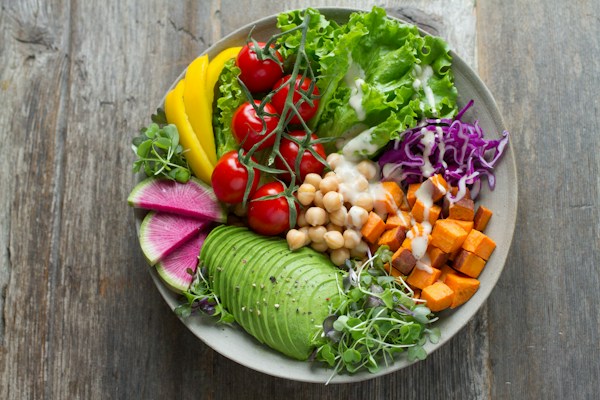
A deconstructed sandwich option featuring quinoa, chickpeas, cucumber, tomatoes, olives, and feta cheese with a lemon-herb dressing. This bowl offers complete protein and Mediterranean-inspired flavors.
Quinoa provides a complete protein source containing all essential amino acids, making this option particularly valuable for vegetarians and those seeking plant-based protein alternatives.
Understanding Healthy Sandwich Nutrition
Protein Content
Protein is essential for muscle maintenance, immune function, and satiety. Healthy sandwiches typically aim for 20-30 grams of protein per serving, achieved through lean meats, cheese, eggs, legumes, or combinations of plant proteins. Adequate protein helps you feel full longer and provides the building blocks your body needs for repair and maintenance.
Fiber Benefits
Fiber contributes to digestive health, blood sugar stability, and prolonged satiety. Whole grain breads, vegetables, and legumes all contribute fiber to sandwich preparations. A healthy sandwich might contain 5-10 grams of fiber, representing a significant portion of the recommended daily intake of 25-35 grams. Higher fiber content generally correlates with better nutritional quality.
Healthy Fats
Not all fats are created equal, and healthy sandwiches incorporate beneficial fats from sources like avocado, olive oil, nuts, and seeds. These monounsaturated and polyunsaturated fats support heart health, brain function, and the absorption of fat-soluble vitamins. Healthy sandwiches minimize trans fats and excessive saturated fats while including beneficial sources in moderation.
Calorie Awareness
For those monitoring calorie intake, healthy sandwiches typically range from 350-550 calories, providing substantial nutrition without excessive energy density. This range allows for a satisfying meal that fits within most dietary plans while delivering the nutrients your body needs. Restaurants often provide nutritional information to help diners make informed choices.
Making Informed Delivery Choices
When selecting healthy sandwiches for delivery, understanding menu descriptions helps identify the most nutritious options. Look for keywords like "grilled" rather than "fried," "whole grain" instead of "white," and descriptions that emphasize fresh vegetables. Many delivery platforms now display nutritional information, making it easier to compare options and select sandwiches that align with your health goals.
Customization options available through delivery apps allow you to modify sandwiches to better suit nutritional preferences. Requesting sauce on the side, adding extra vegetables, or substituting whole grain bread are common modifications that can significantly improve a sandwich's nutritional profile. Taking a moment to review and modify your order can transform a good option into an ideal one.
Consider how sandwiches will travel when ordering for delivery. Options with delicate greens may wilt during transport, while sturdy vegetables like peppers and cucumbers maintain their texture. Warm sandwiches with grilled components tend to hold their quality better than cold sandwiches with temperature-sensitive ingredients during longer delivery times.